The Westfield Hallway Where Nothing Looked Wrong
A homeowner near the high school called on a Tuesday morning. Her toddler had pressed a hand against the hallway wall and said it felt cold. No stain, no smell, no buckling. Our crew arrived within 2 hours with a FLIR thermal camera and a pinless moisture meter. The thermal image showed a vertical cold column running from about three feet off the floor up to the ceiling line, classic signature of a slow supply line drip behind the drywall. The moisture meter confirmed readings of 24 percent in the bottom plate, well above the 16 percent dry standard.
Rather than open eight feet of wall, we made a single two inch inspection hole at the wettest point. A pinhole leak on a copper elbow was spraying maybe a teaspoon per hour onto the back of the drywall. Total invasive damage: one patch the size of a coffee mug. Had she waited another six weeks, our 48 hour mold growth timeline would have already played out behind that wall, and we would be talking remediation instead of a plumber's quick sweat fitting.
What made that call solvable was the toddler. Children notice temperature differences adults filter out, and pets do the same. We have had three separate New Palestine calls in the last two years that started with "the dog keeps sniffing this one spot." Trust the small signals. A cold wall in July, a warm wall in January, a baseboard that feels slightly tacky to bare feet, these are the early warnings that save thousands.
The Kitchen Island Mystery
A family in a 2008 build called because their hardwood floor was cupping near the kitchen island. The dishwasher checked out fine. The ice maker line looked dry. Two plumbers had already told them they could not find anything without pulling cabinets. We brought in an acoustic leak detector, which amplifies the hiss of pressurized water escaping a pipe. Within twenty minutes we had isolated the sound to a pex line running under the slab, not behind a wall at all. The wall moisture had wicked up from the slab edge.
That case became a referral to a slab specialist, and we documented the moisture migration pattern for the insurance adjuster. Sometimes the honest answer is that the leak is not where the damage shows. Our moisture mapping process exists exactly for these confusing situations.
The documentation piece matters more than most homeowners realize. That family's adjuster initially denied the claim because the visible damage was on hardwood, not a wall, and the policy language was ambiguous about slab leaks. We provided thermal images, moisture meter logs, and a written migration narrative showing how the water traveled from the pex line through the slab seam and up into the engineered flooring. The claim was approved on appeal. Photos and readings taken on day one carry far more weight than memory or estimates written weeks later.
The Master Bath That Smelled Wrong for Six Months
One New Palestine couple lived with a vague musty smell in their master bath for half a year before calling. The previous restoration company had told them to just run a dehumidifier. By the time we arrived, the bottom three studs behind the toilet were saturated. A failing wax ring had been leaking on every flush, just a teaspoon at a time, for months. Tracer gas detection found it in under an hour by pressurizing the drain line and sniffing for the helium escape point at the flange.
The remediation that followed was larger than it should have been. Mold remediation under S520 protocols, two studs sistered, subfloor replacement, and roughly $4,800 in invoiced work. Caught at month one, the same problem would have been a $180 wax ring swap and a $400 drying setup. This is why we wrote up our guide on hidden damage from slow leaks, because the cost curve is brutal once weeks turn into months.
The Laundry Room Nobody Suspected
Another recent New Palestine call came from a homeowner who thought her washing machine was overflowing intermittently. She had mopped up small puddles four or five times over two months. Our thermal scan showed nothing on the wall behind the washer, but the floor at the front left corner of the unit read 19 percent moisture. The leak was a hairline crack in the cold water supply hose, only visible when pressure spiked during the fill cycle. A six dollar braided replacement hose ended the mystery. We bring this one up because rubber supply hoses on washers and dishwashers fail more often than any other connection in the house, and most are well past their five to seven year service life.
How Detection Methods Stack Up
Different tools work for different leaks. Here is what we typically see in terms of accuracy and time on site across our New Palestine service area.
What a Free Assessment Actually Includes
When you call New Palestine Water Restoration, here is what happens before you ever sign anything:
- Walkthrough of the symptoms with you, in your words
- Thermal scan of the suspect wall section and adjacent surfaces
- Pinless moisture readings across at least six reference points
- Acoustic check on pressurized lines if a supply leak is suspected
- A direct conversation about whether the next step is detection, drying, or a plumber referral
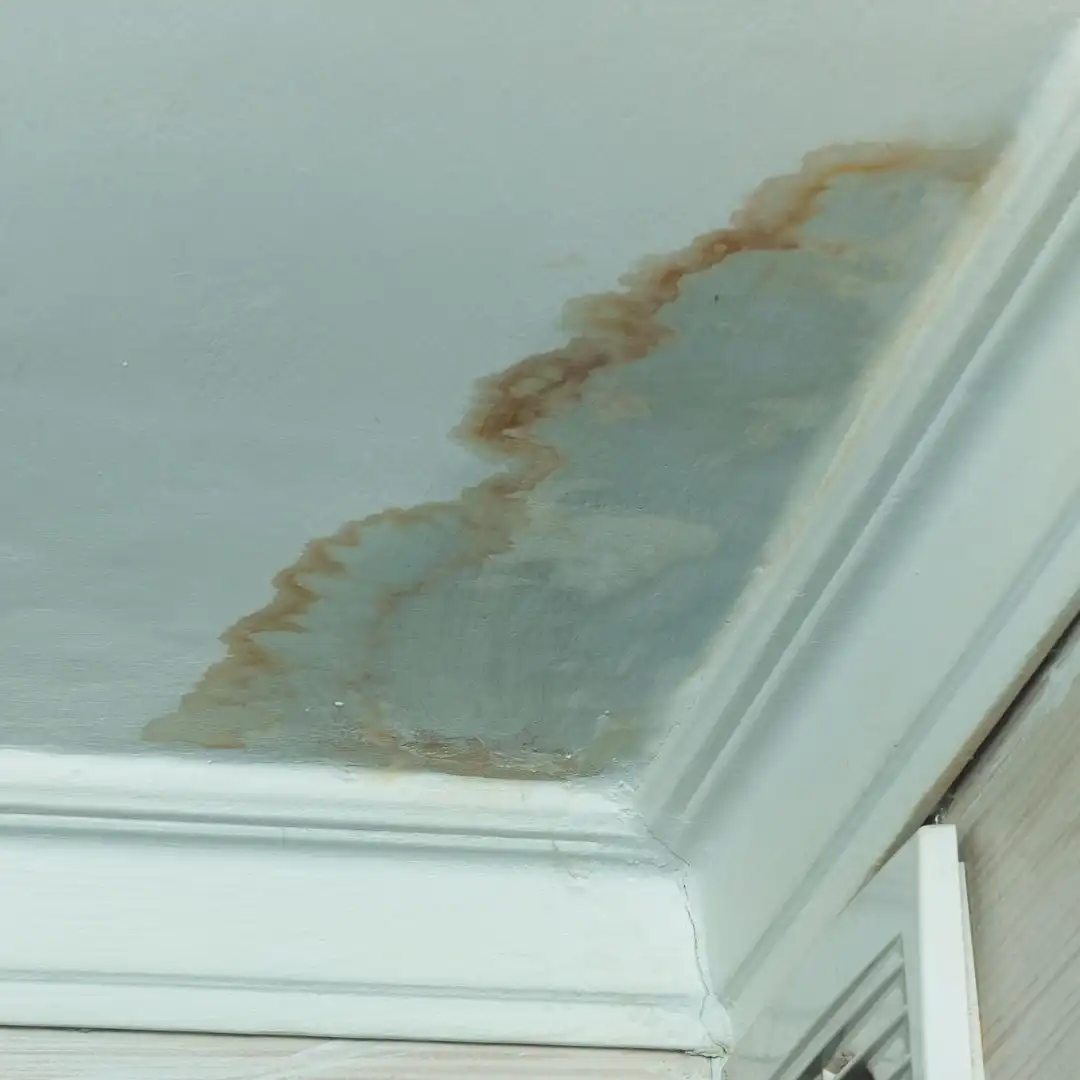
If your situation does not need us, we will say so. We have walked away from jobs where a tightened p trap solved everything, and we sleep fine doing it. The goal of a non invasive assessment is to give you information, not to manufacture a project. Homeowners who call early, even when they feel silly about it, almost always save money compared to the ones who wait for the ceiling stain to appear.